Roguelike Deckbuilder Map Pathing: Choose Your Route
7 min read
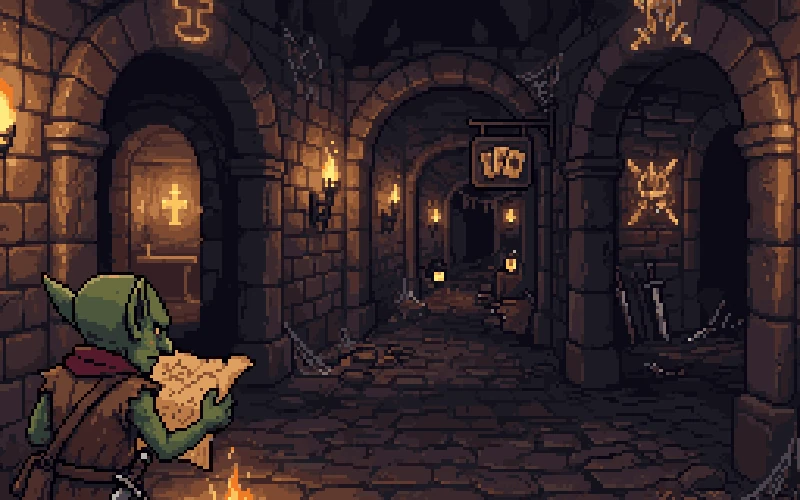
Roguelike deckbuilder map pathing is a series of small bets about what your deck can handle next. A fight, shop, rest site, or elite matters in context, so I like to look a few steps ahead and ask what the route needs from me. This method can help whether you're learning how to choose a path in a roguelike or trying to make a promising run more consistent.
Read the map before choosing your first node
Before picking the first available node, scan the whole visible map. Find the boss or major encounter at the end of the route, then trace a few branches backward. You want to know what kinds of stops are available before it, where the branches merge, and whether a risky option can be followed by a chance to recover.
Think of each route as a short sequence rather than a collection of separate rewards. A shop followed by an elite may be useful if the shop can address a weakness. Two hard fights in a row can be a poor fit if your deck has no reliable way to prevent damage. A rest site just before a boss may be more valuable than one early in a branch, depending on your current health and options.
I use three questions to make the map readable. What does my deck need? What can this route offer? What could leave me in trouble before the boss? You do not need to predict every draw or reward. The point is to notice the shape of the route and make the first choice with the next few nodes in mind.
For a quick refresher on the terms that show up in these games, the roguelike deckbuilder glossary explains common concepts such as elites, relics, and archetypes.
- Mark the next major encounter and the nodes leading into it.
- Notice whether recovery or a shop appears after a difficult stretch.
- Keep at least one alternate branch in mind in case your needs change.
Weigh risk against reward on each branch
A route's value depends on what the reward would do for your current run. An elite can offer a stronger reward than an ordinary fight, while also asking more of your deck. A shop may let you respond to a weakness, but choosing that branch could mean passing up another useful stop. Evaluate the likely gain against the state you will have to reach it in.
Deck readiness is more specific than asking whether the deck is 'strong.' Consider whether you can handle a long fight, deal with dangerous enemies quickly, and avoid taking too much damage while drawing the cards you need. A deck that has one powerful combination but struggles to find it may want a safer route until its plan is more dependable.
A simple risk check helps. First, name the reward you are hoping for. Then name the likely cost if the fight goes badly. Finally, look at the next node and decide whether you can recover or keep moving. If the reward would solve a pressing problem and you have enough room for a setback, the branch may be worth taking. If the reward is merely attractive and the downside could end the run, keep looking.
This is the heart of roguelike map strategy: a high-reward node is only valuable when your current position lets you reach it. For more detail on judging that tradeoff, see this guide to roguelike deckbuilder elite fights.
- Identify the weakness a reward might fix.
- Estimate the damage or resource cost of the encounter.
- Check whether the next stop gives you room to recover.
Plan around health, healing, and shops
Health is a resource that buys options. When it is high, you may be able to take a difficult encounter for a reward. When it is low, even an ordinary fight can make the rest of the route feel cramped. Look at your health alongside the next recovery opportunity, rather than treating the current number as a complete answer.
Healing is most valuable when it changes what you can safely do afterward. If resting now would let you tackle a useful elite or reach the boss with a buffer, it has a clear job. If you are nearly full and the same branch offers a shop or a promising reward, the healing stop may have less immediate value. The right call depends on what follows and how much uncertainty your deck can absorb.
A shop can be a repair stop for a specific problem. Before choosing a route toward one, decide what you would want it to accomplish. Maybe your deck needs a way to handle a particular kind of encounter, or perhaps its plan needs more consistency. That mental shopping list keeps you from valuing a shop as a vague promise of improvement.
When you have several possible routes, compare them by what they leave you with. One might preserve health but offer little help with the boss. Another could let you address a gap, at the cost of taking a harder fight. A good route often balances immediate survival with the chance to make the deck more capable.
- Track how many demanding encounters come before your next recovery chance.
- Choose a shop route with a clear need in mind.
- Treat health as flexibility for upcoming decisions, not only as a score to protect.
When an elite fight is worth the detour
An elite detour makes sense when the reward can improve your run and your deck has a reasonable answer to the fight. Ask whether your deck can deal with danger efficiently, whether you have enough health to survive a rough draw, and what lies immediately afterward. If the route gives you a recovery stop after the elite, that can change the calculation.
Pay attention to the kind of strength your deck has. A deck with dependable damage may be well suited to ending a dangerous encounter quickly. A deck built around a slower setup may need more room to get its plan going. Consider how the fight's demands line up with your actual tools, rather than relying on a general feeling that your deck is powerful.
It can help to set a threshold before you reach the fork. For example, you might decide that you will take the elite only if you have a recovery opportunity afterward, or only if your deck has already gained a tool that handles its likely threats. The threshold keeps excitement about a reward from making the decision for you.
Skipping an elite can also be the strategic choice. If your deck is missing a basic answer or your health leaves little room for mistakes, preserving the run may give you better options later. A useful route is the one that supports the run you have, rather than the ideal run you wish you had.
- Look at deck readiness and current health together.
- Check the route immediately after the elite.
- Decide what reward would make the detour worthwhile.
Adjust your route after an unexpected fight
A route plan is a working plan. A difficult draw, an unexpected amount of damage, or a reward that changes your deck can shift what makes sense. At the next fork, reassess instead of following the original route automatically. Your earlier decision was based on the information you had then.
After a rough encounter, ask what changed. If health is lower than expected, a recovery stop may now be more important than another reward. If you gained a card that solves a major weakness, a previously risky branch might have become reasonable. If your deck still lacks a reliable answer, consider choosing a safer path that gives you more chances to improve it.
This is also where it helps to separate bad luck from a route problem. One awkward draw can happen. A sequence of encounters that repeatedly exposes the same weakness may mean the route is asking too much of your deck. Use the next choice to respond to the pattern you see, while leaving room for the uncertainty that comes with drawing cards.
If you want to improve the deck itself alongside your routing decisions, this guide to building synergies in roguelike deckbuilders offers a practical way to think about how new cards fit together.
- Recheck health, deck gaps, and the upcoming boss at each fork.
- Update your plan when a reward or fight changes your options.
- Use safer nodes when repeated encounters expose the same weakness.
Tower Trials is a dark-fantasy roguelike deckbuilder about Nibs, a goblin scavenger climbing a 100-floor dwarven tower, with five archetypes: Miner, Tinker, Brewer, Runes, and Wall. It's free to play, with one optional purchase that removes ads, and you can learn more at the Tower Trials homepage.
Play Tower Trials today on mobile