How to Handle Boss Decoys in a Deckbuilder
5 min read
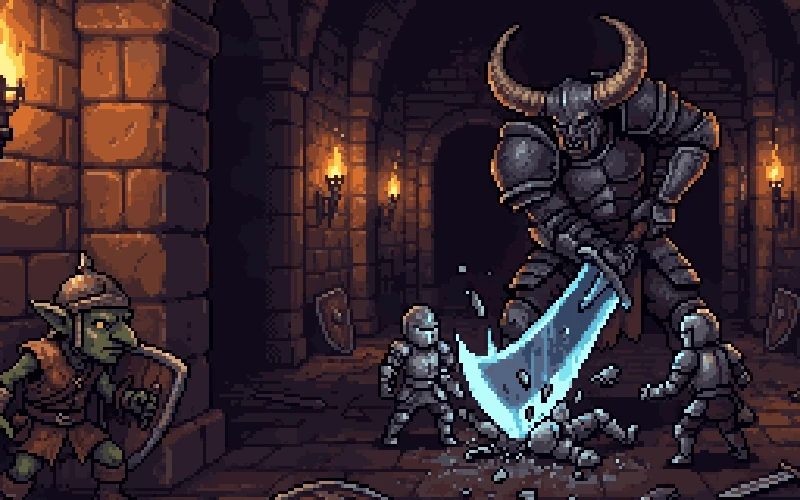
Roguelike deckbuilder boss decoys create a familiar headache: every attack spent clearing a disposable enemy is an attack that could have gone into the boss. The right target depends on what the decoy does, how long it will stay, and whether your hand can handle both threats this turn.
Check what the decoys actually threaten
Start with the fight information the game gives you. Is a decoy about to attack, applying a debuff, protecting the boss, or setting up a stronger effect? If it has no meaningful action before it disappears, clearing it may be wasted damage. If its next move will cost health or disrupt your plan, it may deserve priority.
Read the timing, too. A decoy that acts immediately is a different problem from one that waits a turn. Some boss mechanics deckbuilder encounters use decoys as short-lived distractions, while others make them a real source of incoming damage or utility. Treat the visible intent and effect as the evidence, rather than assuming every summon is dangerous.
Also check whether the boss changes behavior while decoys are present. If the boss is charging an attack, summoning again, or receiving protection, the enemy group has a combined threat. Your target priority in a boss fight deckbuilder should answer a concrete question: which action will make the next enemy turn safer or shorten the dangerous part of the fight?
Roguelike deckbuilder boss decoys: clear or focus?
Compare the cost of removing a decoy with the cost of leaving it alive. If it takes one cheap attack to prevent a large hit, clearing it is usually efficient. If it takes most of your hand and the boss is already close to a dangerous attack, going face may end the threat sooner.
Think in turns, not only in health bars. Suppose the boss needs two turns of attacks to defeat, and the decoy will deal modest damage once before vanishing. Spending a turn to clear it may add another full boss turn, which could cost more health than you save. On the other hand, if the decoy will hit repeatedly, its damage can accumulate quickly.
There is no universal rule to always kill adds or always ignore them. Compare expected harm: damage you avoid by clearing, damage you can deal to the boss instead, and the boss actions that extra turn allows. For more on reading attack intent and balancing setup against defense, see how to beat roguelike deckbuilder bosses.
Use single-target and multi-target damage differently
Single-target damage is easier to aim where it matters most. Use it to remove a decoy with a threatening move, or keep it pointed at the boss when the summon can be ignored. Avoid spending an expensive single-target card on a low-impact add just because it is the easiest enemy to attack.
Multi-target damage can change the calculation. If one card damages several enemies, its value may rise when the boss and decoys are all in play. You can reduce the summon's health while still advancing the boss fight, rather than choosing one target and leaving the other untouched.
Check the likely damage against each enemy's remaining health. If area damage leaves every decoy alive with a sliver of health, you may still face their actions next turn. A small follow-up attack can turn broad damage into a useful clear. If the multi-target card is your main way to hit the boss, though, don't spend another card chasing a decoy that no longer matters.
Card roles matter here. A low-cost attack may be enough to finish one summon while preserving a heavy hit for the boss. If your deck struggles to find the right kind of answer on time, deck consistency in roguelike deckbuilders covers why useful overlap between cards can make turns more reliable.
Keep defense in the plan while clearing adds
A common trap is treating every card in hand as an attack budget. If you clear a decoy but take the boss's full attack, the exchange may leave you worse off. Look at the combined incoming damage and decide how much defense the turn needs before spending the rest of your hand.
Blocking can make a clear worthwhile by preventing the boss from punishing you while you deal with its summon. Sometimes the safer line is to defend against a major hit and accept one small decoy attack. Sometimes a quick clear removes enough incoming damage that you can attack freely. Use the actual threats shown for that turn.
This is especially important when a boss summons several enemies. The damage can add up across attackers, so blocking a portion of it may matter more than removing one weak summon. If you want a closer look at the trade between damage prevented and turns spent defending, read card game block strategy.
When you have a choice, preserve flexible cards until you understand the whole turn. Spend the card that solves the clearest problem first, then see whether the remaining hand can cover the next one. That keeps a decoy from drawing you into an all-or-nothing attack plan.
What to learn from a failed attempt
After a loss, focus on the turn where the fight became hard to recover. Did a decoy get another attack because you ignored it? Did you spend too much damage clearing one while the boss kept escalating? Or did you defend so much that the fight lasted long enough for more summons to appear? Naming the specific cost is more useful than concluding that the boss simply had too much health.
Look for a pattern across the run, too. If you often lack small attacks, area damage, or defense when summons appear, that points to a deck or reward-choice issue. One awkward hand can happen; repeated awkward turns may mean the deck has too few ways to cover different enemy layouts.
You can also prepare for an expected boss without forcing your whole deck into one narrow plan. Favor cards that do useful work in ordinary fights and still help when several targets are on screen. A card that can damage the boss while weakening a summon gives you more ways to respond than a narrow answer that only works against one enemy.
Finally, keep a short note for the next attempt: which decoy mattered, what its next action did, and whether clearing it changed the boss's timeline. That turns a confusing boss mechanic into a repeatable decision. The aim is not to clear every summon. It is to spend each turn on the threat that most affects your chance of reaching the next one.
Tower Trials is a dark-fantasy roguelike deckbuilder for iOS and Android, free to play with one optional purchase to remove ads. Its five archetypes are Miner, Tinker, Brewer, Runes, and Wall. Visit Tower Trials
Play Tower Trials today on mobile