Roguelike Deckbuilder Boss Preparation: A Practical Checklist
6 min read
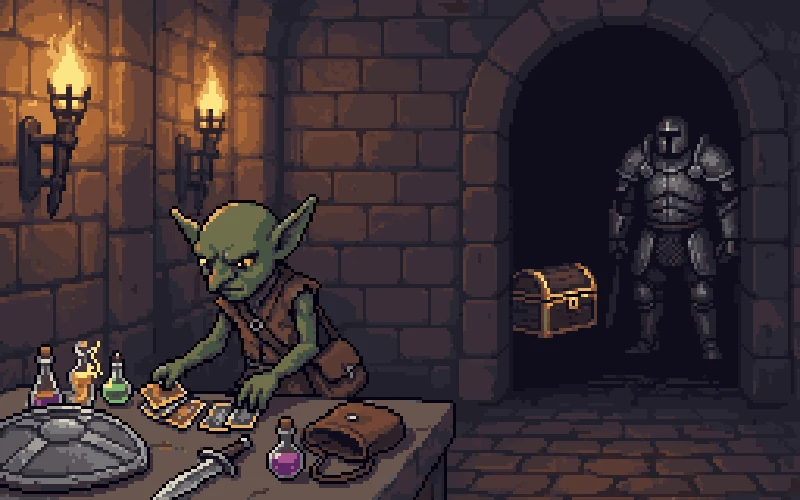
Roguelike deckbuilder boss preparation starts before the fight screen, when you still have time to shape your deck and choose a route. A quick review of the encounter, your reliable turns, and your available resources can reveal what to prioritize before you commit.
Identify what the next boss will test
Start by finding out what the boss is likely to ask of you. Read its moves or encounter notes when the game provides them, then look for the pressure points: repeated incoming damage, a dangerous attack that needs a quick answer, a long fight that tests endurance, or a pattern that punishes slow setup. The exact details vary by game, so let the encounter information guide your plan instead of relying on a generic boss formula.
Turn that information into one practical question. If the boss threatens a large hit, how will you reduce or avoid it? If it keeps applying pressure, can your deck defend several turns in a row? If it is likely to survive for a while, can you keep producing useful turns after your strongest cards have appeared? A focused question makes a route decision easier than trying to fix every possible weakness at once.
- Write down the encounter's biggest threat in a few words.
- Identify the turn or phase when that threat matters most.
- Choose one deck quality that could answer it.
Check whether your deck can defend and attack
A boss plan needs both a way to stay alive and a way to make progress. Look at your normal turns rather than judging the deck by its strongest possible hand. How much defense can you usually assemble when your draw is ordinary? How much damage can you deal while still protecting yourself? If the answer depends on drawing one particular card, treat that as a risk and consider whether your deck has another route to a useful turn.
Then check your damage pace. A deck can block effectively for a few turns and still lose if it cannot end the fight before its health or resources run out. Think about whether your damage arrives early, needs setup, or depends on several pieces appearing together. Setup can be worthwhile, but it costs time. Against a boss that pushes hard from the opening, prioritize cards that do something valuable immediately.
Draw and energy are part of this check. A powerful card in your deck helps only when you can find and play it. Notice whether your deck has enough ways to reach important cards, and whether its costs compete for the same turn. For a more detailed way to judge these tradeoffs, see this card evaluation checklist.
- Can a typical hand reduce the boss's incoming pressure?
- Can you make progress on a turn spent defending?
- Does your plan still function when a key card arrives late?
Keep useful consumables for the right moment
Consumables are easy to save forever because a future fight might seem even harder. That caution can leave a valuable tool unused when it would have changed the current encounter. Before the boss, check what each item actually does and decide which situation would justify using it. A resource that prevents a dangerous turn may be more valuable than one that adds damage after the fight is already under control.
Give each consumable a job. It might cover a gap in your defense, help finish a threatening enemy or make a key setup turn safer. If you have more than one, avoid treating them as interchangeable. Matching the item to a specific problem helps preserve your choices while making it easier to recognize the right moment during combat.
There is also a timing question. Using a helpful effect too early can waste part of its value if the boss has not begun applying pressure. Waiting too long can leave no safe opening to use it. Look for the first moment when its effect prevents a real problem, then compare that benefit with the chance you may need it later.
- Name the danger each consumable is meant to answer.
- Set a clear trigger for using it.
- Keep an eye on whether waiting creates a greater risk.
Pick rewards with the boss in mind
A reward can look strong in isolation and still do little for the next encounter. Compare each option with the problem you identified. A defensive card matters more when the boss creates sustained pressure. Reliable damage can matter more when the fight rewards a quick finish. Draw or resource support can help when your best turns are inconsistent, provided the deck can make use of it.
Check the timing of the reward as well. If you have several opportunities to improve your deck before the boss, a flexible pick may keep more options open. If this is your last chance, favor a card or resource that solves a concrete weakness now. Consider the whole deck after the addition: a high-cost card can be awkward if your turns already compete for energy, and another narrow combo piece may not help if the other half is hard to draw.
Route choices belong in the same calculation. A path that offers a needed recovery or deck improvement may be worth more than a riskier route with a tempting reward. Your current health, the deck's readiness, and how soon the boss arrives all matter. The route-planning guide goes deeper on weighing those choices.
- Choose rewards that address the boss's main pressure.
- Check whether the new card fits your available energy and draw.
- Compare route risk with the time and recovery you need.
What to do when your deck has a weakness
Sometimes the review ends with a clear gap and no perfect way to fill it. That is still useful information. Separate a weakness you can address from one you have to manage. You may be able to add more defense before the fight, while a thin damage plan may require you to preserve health and use a consumable at the right point. A realistic plan beats hoping the next draw fixes everything.
Look for small adjustments. You might change which card you prioritize, take a safer route, or avoid spending a resource on a lesser encounter. In the fight, evaluate each turn according to the threat in front of you. If the boss is preparing a major attack, spending a turn on extra setup may leave you unable to answer it. If the immediate danger is low, that may be the opening your plan needs.
For a compact deck consistency check, ask how often you can reach the cards your plan depends on and what your fallback turn looks like. A deck with overlapping answers can be steadier than one that needs a perfect sequence. More on that distinction is in this guide to reliable deck draws.
- State the weakness plainly, such as low defense or slow damage.
- Pick the safest available way to reduce its impact.
- Decide what you will do if the ideal card does not appear.
That checklist applies across the genre, whether you are learning your first run or refining a familiar strategy. Tower Trials is a dark-fantasy roguelike deckbuilder and goblin card RPG for iOS and Android, with five archetypes named Miner, Tinker, Brewer, Runes, and Wall; it is free to play with one optional ad-removal purchase. Learn more about Tower Trials.
Play Tower Trials today on mobile