Roguelike Deckbuilder Difficulty Spikes: How to Read Them
5 min read
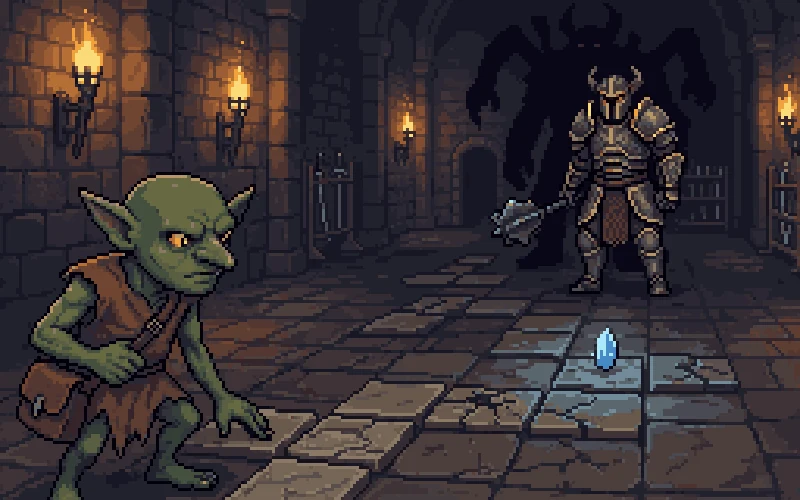
A run can feel manageable for several fights, then suddenly ask more of your deck than it can deliver. When players ask why do roguelikes get harder suddenly, the answer is often that several small demands have lined up at once. Learning to spot those demands turns a surprise wall into a problem you can prepare for.
The Two Kinds of Roguelike Deckbuilder Difficulty Spikes
I find it useful to separate spikes into two broad types. A planned spike comes from a recognizable milestone, like an elite encounter or boss. The game is asking whether your deck can meet a known test. A run-specific spike happens when the cards, rewards, or route choices you have found leave a particular weakness exposed. The same enemy can feel fair to one deck and brutal to another.
The distinction matters because the fixes differ. For a planned spike, prepare for the kind of pressure the encounter usually creates. For a run-specific spike, inspect the weakest part of your current setup. Maybe your turns rely on one key card, your damage arrives too slowly, or your defense only works when a certain combination appears.
Difficulty can also rise through accumulation. A modest increase in enemy health may matter little by itself, but it can make a fight last another turn. That extra turn might mean another attack to defend against, more health lost, or a potion spent earlier than expected. Look for the chain of consequences instead of blaming one number.
Read the Run's Milestones Before You Draft
A map is a planning tool. Before committing to a route, look ahead for the next major encounter and count how many opportunities remain to improve the deck or recover. A boss arriving soon changes the value of a reward. A card that solves an immediate weakness may be more useful than one that promises a powerful combo several turns later.
Keep a short mental checklist for upcoming tests. Can the deck deal enough damage before the fight drags on? Can it handle several dangerous turns in a row? Does it have a reliable way to respond when the draw order is awkward? These questions are more useful than asking whether the deck feels strong in the abstract.
Milestones are also a chance to adjust your route. If the deck has no dependable answer to a threat, choose a path that gives you room to improve before taking the risk. For more on that decision, see this roguelike deckbuilder map pathing guide. Planning ahead does not guarantee a clean fight, but it gives you more control over what you bring into it.
Elite Fights as Warnings, Not Walls
An elite can function like a stress test. It reveals whether your usual plan still works when an enemy has more health, applies more pressure, or demands a quicker response. Treat the encounter as information about the run as well as a reward opportunity. If you win at a steep cost, that cost tells you something about what your deck needs next.
Before choosing an elite, look beyond your current health total. Consider how much damage you can prevent over several turns, whether your attacks arrive quickly enough, and how much flexibility you have if your opening hand is poor. Current health is a buffer, but it does not repair a deck that cannot answer the encounter's demands.
A useful rule is to name the risk before you take it. For example, 'I may lose health if this fight lasts four turns' is something you can plan around. 'This seems fine' is harder to act on. If you want a more detailed decision framework, the elite fight checklist focuses on judging readiness beyond the health bar.
Boss Patterns and the Telegraph
A boss fight often tests whether you can respond to a sequence of threats, rather than whether you can produce one impressive turn. Pay attention to the information the game gives you before an action resolves. A visible intent, status, or phase change can tell you what kind of turn is coming. Use that information to decide whether to defend, attack, or set up for what follows.
The key is to connect the warning to your deck's available answers. If a heavy attack is coming, compare the damage you can prevent with the damage you can deal safely. If the boss is building toward a later threat, ask whether spending a valuable resource now will leave you exposed. Avoid spending every useful card just because it is playable.
It helps to review the encounter in turns. What did the boss signal? What response did you choose? What happened after that? This keeps the fight from becoming a blur of hit points and card effects. For a fuller preparation framework, use this boss preparation checklist.
Spend Resources With the Next Fight in Mind
A shop, rest point, or reward can look like a pause in the danger, but each one is part of the route's preparation. Ask which weakness is most likely to matter in the next difficult encounter. Improving a card or taking a new option only helps if it addresses a need the deck actually has. A shiny reward can be a poor fit when your run is missing basic reliability.
Potions and similar consumables are easiest to waste when you treat them as emergency buttons that should be saved forever. Instead, give them a job. If using one prevents enough damage to preserve health for a coming boss, that may be a sound trade. If it merely makes an already safe fight quicker, holding it may be better.
Relics and persistent bonuses deserve the same attention. Their value depends on how often they help and whether they support the plan your deck can execute. Check whether a resource will solve a real problem or only make a strong part of the deck stronger. This is especially important when a spike is close and there are few chances left to change course.
Turn a Death Into a Useful Review
After a run ends, write down the point where the plan stopped working. Keep the note specific. 'The boss was too hard' gives you little to change. 'I had no way to defend on the turn after spending my main attack' points to a concrete gap. Look at the encounter that ended the run, then trace the decisions that shaped your deck before it.
Separate bad luck from a repeatable weakness. A poor draw can happen, but if the deck only functions when one card appears early, consistency is part of the problem. If fights repeatedly run long, the deck may need more dependable damage. If you lose health in every ordinary encounter, a later elite may simply reveal a defensive gap that was already present.
Choose one adjustment for the next run. Draft more carefully around the identified weakness, take a different route, or preserve a resource for the encounter that exposed the problem. Changing several habits at once makes it harder to see what helped. A focused review gives each loss a practical use.
Tower Trials is a dark-fantasy roguelike deckbuilder for mobile, with five archetypes: Miner, Tinker, Brewer, Runes, and Wall. It is free to play, with one optional purchase to remove ads. Visit Tower Trials.
Play Tower Trials today on mobile