Upgrade or Heal in a Roguelike Deckbuilder?
7 min read
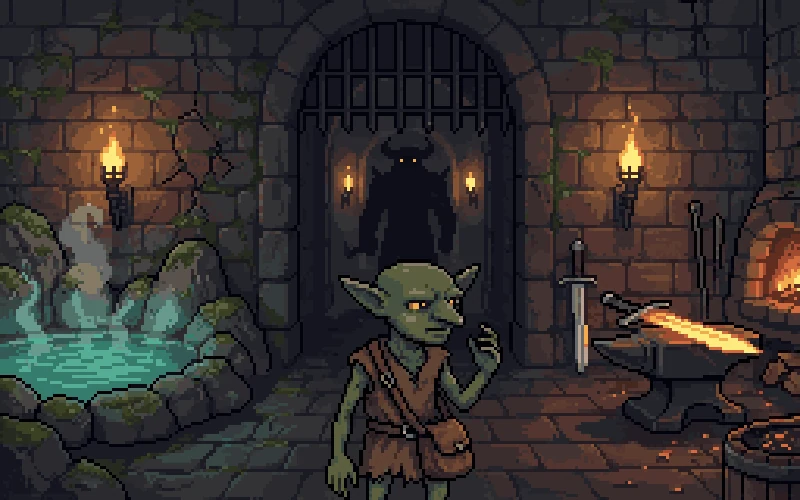
At a rest site, choosing whether to upgrade or heal in a roguelike deckbuilder can feel like a bet on a future fight. A useful choice starts with your current health, the route ahead, and the specific card you could improve.
Upgrade or heal in a roguelike deckbuilder? Start with the next fight
Treat the choice as a small forecast. What encounter comes next, what does your deck do well, and what is the most likely way the fight could go wrong? Those answers matter more than a fixed rule such as always upgrading early or always healing below half health.
Look at the next encounter's demands. A fight with several enemies may punish a deck that struggles to deal damage broadly. A high-health opponent can make a slow damage plan risky. If you know the enemy's patterns, consider whether the deck can handle its attacks while still making progress. If the encounter is unfamiliar, build in more safety.
Then assess the deck you have now. Is there a clear weakness an upgrade could address? Maybe a key attack is just short of finishing an enemy before its next turn, or a defensive card would make an important response more efficient. If you cannot name a concrete benefit, healing may give more dependable value.
This is also a good time to think about the route beyond the next fight. One easy encounter followed by a dangerous elite calls for a different choice from a route with several manageable fights and another rest site soon. Route planning is covered in more detail in this guide to roguelike deckbuilder map pathing.
- What is the next encounter, and what threat does it present?
- Can an upgrade change a likely outcome in that encounter?
- How many fights or risky branches come before another chance to recover?
Estimate damage you might take on the route
Think in ranges instead of trying to predict an exact amount of damage. If your deck usually handles ordinary enemies comfortably, a normal fight might cost little health. If it has trouble blocking or ending fights quickly, budget for a rougher result. Elites and unfamiliar encounters deserve a larger safety margin because one bad draw can make their attacks harder to manage.
Now compare that rough estimate with your current health. Ask whether you could survive a poor opening hand, a missed defensive turn, or an enemy pattern that takes longer than expected to solve. You do not need enough health to absorb every possible disaster. You do want enough room to make a mistake without ending the run immediately.
Include the route's recovery options in the estimate. A healing opportunity soon after a dangerous fight can change how much health you need to reserve now. If the next recovery point is far away, a small amount of health can become valuable because it keeps later route choices open.
Avoid treating health as a score that must stay high. Health is a resource you can spend to get through encounters and reach rewards. The question is whether the expected cost leaves you able to handle what comes after. For a more complete route checklist, see roguelike deckbuilder run planning.
- Estimate a likely damage range for each fight before the next rest.
- Add extra caution for elites, unfamiliar enemies, and awkward matchups.
- Check whether another healing opportunity is close enough to matter.
When an upgrade can prevent future damage
A strong upgrade can act like prevention. More damage may shorten a fight and reduce the number of enemy turns you have to survive. Better defense can make a threatening turn manageable. An upgrade that improves a card you draw often may help repeatedly across several encounters, so its value can exceed the immediate benefit of restored health.
Check how often the card appears in your fights and whether the upgrade changes what it can do. An improvement that saves a resource, adds enough damage to cross a useful threshold, or makes a defensive response more reliable has a clear job. A small numerical increase may still be helpful, though it is less persuasive if the card rarely appears or the change does not affect your decisions.
Consider the deck's overall consistency too. A powerful upgrade does little when the card is buried in a large deck and rarely drawn before the fight is decided. Think about whether the card fits a plan you can actually execute with the rest of your deck. This card evaluation guide lays out a useful way to judge an upgrade's impact and fit.
An upgrade becomes especially appealing when it has several chances to pay off before the next recovery point. If the route contains multiple fights, the value can compound. If a dangerous fight is next and the improvement directly answers its main threat, it may also be worth taking even when health is somewhat low.
- Name the specific fight problem the upgrade solves.
- Ask how often you expect to draw and use that card.
- Prefer improvements that reduce a real risk across multiple encounters.
When to heal instead of upgrade
Healing is the safer choice when your current health leaves little margin for a bad fight. That is especially true if the route ahead includes an elite, a boss, or several encounters without another recovery point. If a single unlucky sequence could end the run, restoring health has immediate value that a card improvement may not provide in time.
Healing also makes sense when no available upgrade clearly strengthens the deck. Rest sites are valuable choices, and taking an upgrade just because it is offered can leave the actual weakness untouched. If your deck already deals enough damage but struggles to survive, health may help you reach the next reward with a functional run intact.
Think about healing in relation to the amount you are missing. If the recovery would bring you close to full health, its value may be substantial. If it restores only a small amount and the next encounters are favorable, a reliable upgrade could contribute more over the route. The useful threshold changes with the game, your deck, and the opponents ahead.
A practical question for when to heal instead of upgrade is: 'Would I willingly take the next fight at this health if I drew an average hand?' If the answer is no, healing deserves serious consideration. If the answer is yes and an upgrade has a clear purpose, taking the upgrade may be the stronger long-term choice.
- Heal when a modest hit could leave you unable to continue.
- Heal when a demanding encounter is close and your deck has a survival problem.
- Upgrade when your health gives room to absorb a rough fight and the improvement has a clear payoff.
How to decide when the next boss is close
A boss changes the value of both options because the fight is usually a longer test of your deck. Healing helps you survive more incoming damage. An upgrade can help you end the fight sooner, defend more efficiently, or make a key part of your plan work reliably. Compare those effects against the boss's known threats rather than choosing based on the word 'boss' alone.
Start with preparation. Can your deck make progress while defending? Does it have a way to respond when the boss's attacks become dangerous? Is there enough damage to avoid letting the fight drag on? If one answer is clearly weak and a specific upgrade addresses it, that upgrade may prevent more damage than healing restores.
If the deck already has the tools for the fight, focus on whether your health is adequate. A sound plan still needs enough room for imperfect draws and a longer fight than expected. When the boss is close and you are uncertain about the matchup, leaning toward recovery can preserve the chance to adapt during the fight.
Use a compact checklist at the rest site. Name the next major threat, identify your deck's biggest gap, estimate the damage you can afford, and check how soon you can recover again. Then pick the option that addresses the largest risk. For more preparation questions, read this roguelike deckbuilder boss checklist.
- An upgrade is valuable when it directly answers a boss threat.
- Healing is valuable when your plan is sound but your health margin is thin.
- A distant next rest site makes the health decision more consequential.
I'm making Tower Trials, a dark-fantasy roguelike deckbuilder about a goblin climbing a 100-floor dwarven tower, with five archetypes: Miner, Tinker, Brewer, Runes, and Wall. It is free to play, with one optional purchase to remove ads.
Play Tower Trials today on mobile